Adolf Hitler
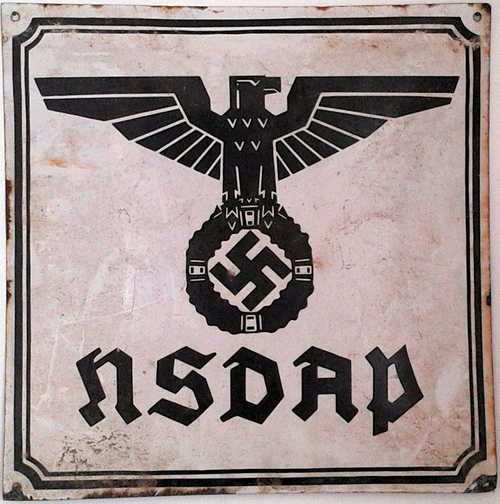
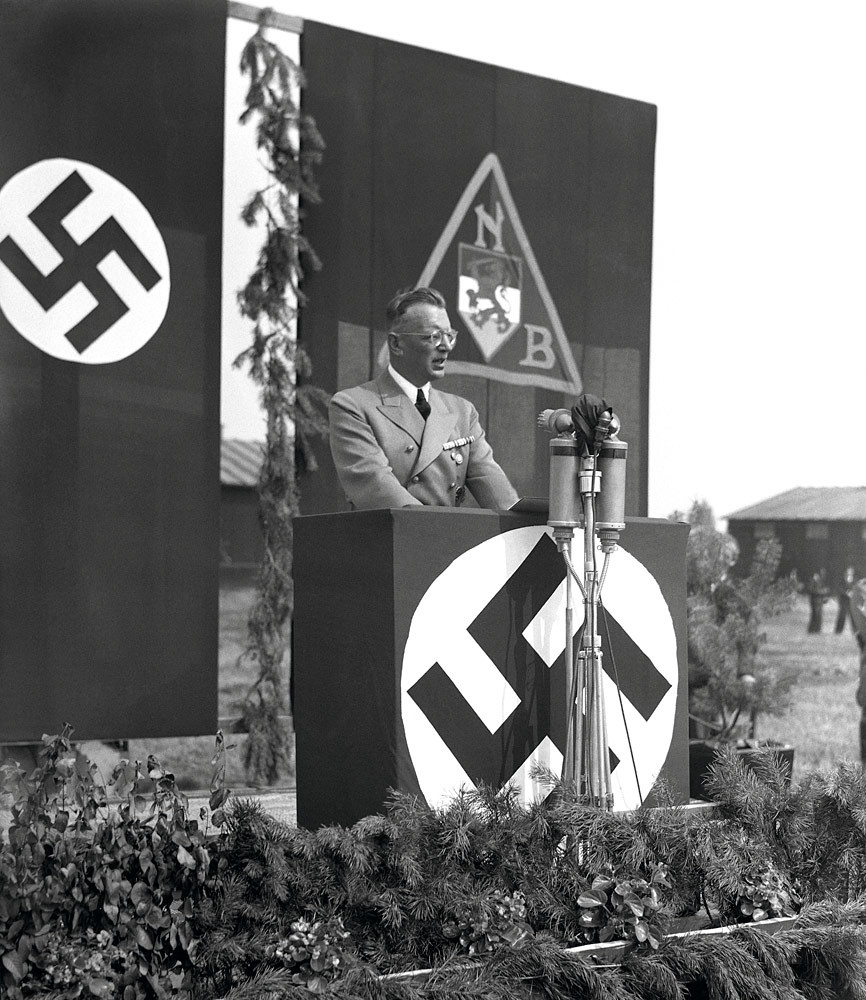
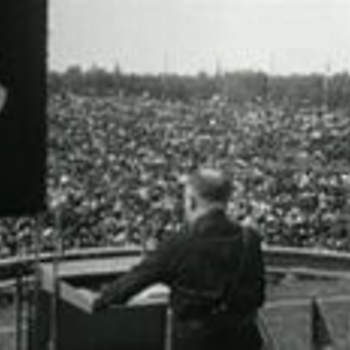
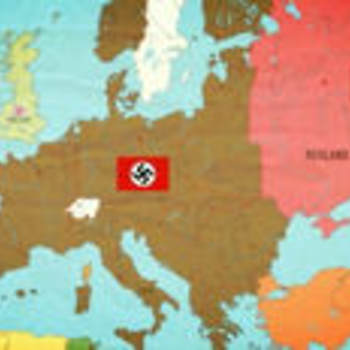
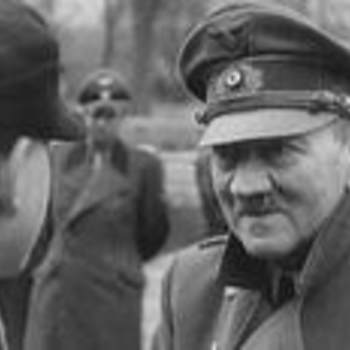
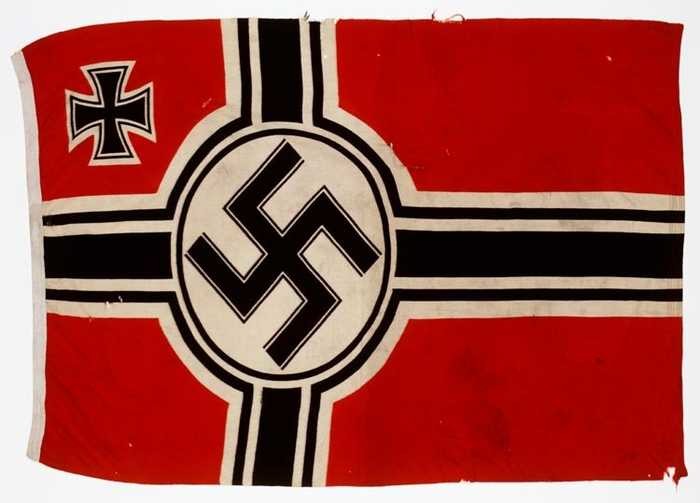
In 1933 komt Adolf Hitler als leider van de extreemrechtse NSDAP in Duitsland aan de macht. De nationaalsocialistische partij, waarvan de aanhangers nazi’s worden genoemd, groeit door de economische crisis en de wraakgevoelens over de manier waarop Duitsland is behandeld na de Eerste Wereldoorlog. Hitler wil van Duitsland het machtigste land van Europa maken. In 1938 neemt hij zijn geboorteland Oostenrijk in. Daarna annexeert hij een deel van Tsjecho-Slowakije. Als hij Polen binnenvalt, volgt de Brits-Franse oorlogsverklaring aan nazi-Duitsland: de oorlog is begonnen. In mei 1940 valt Hitler Frankrijk aan. Bij die aanval worden ook Nederland en België bezet.
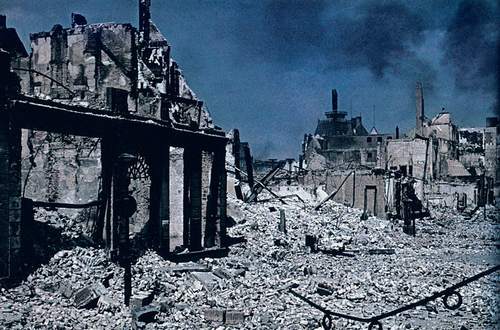
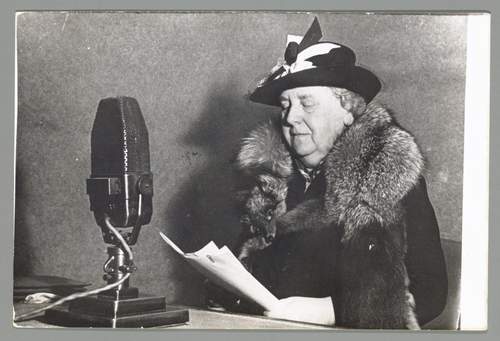
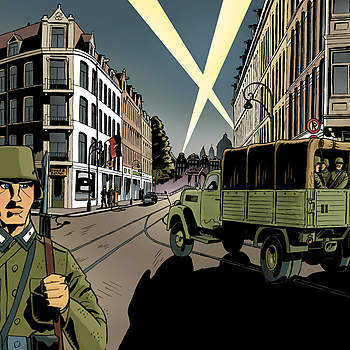
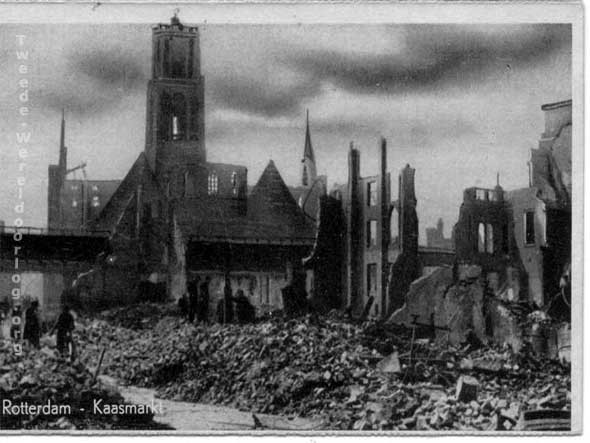
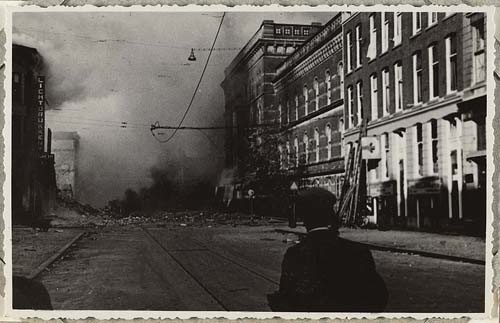
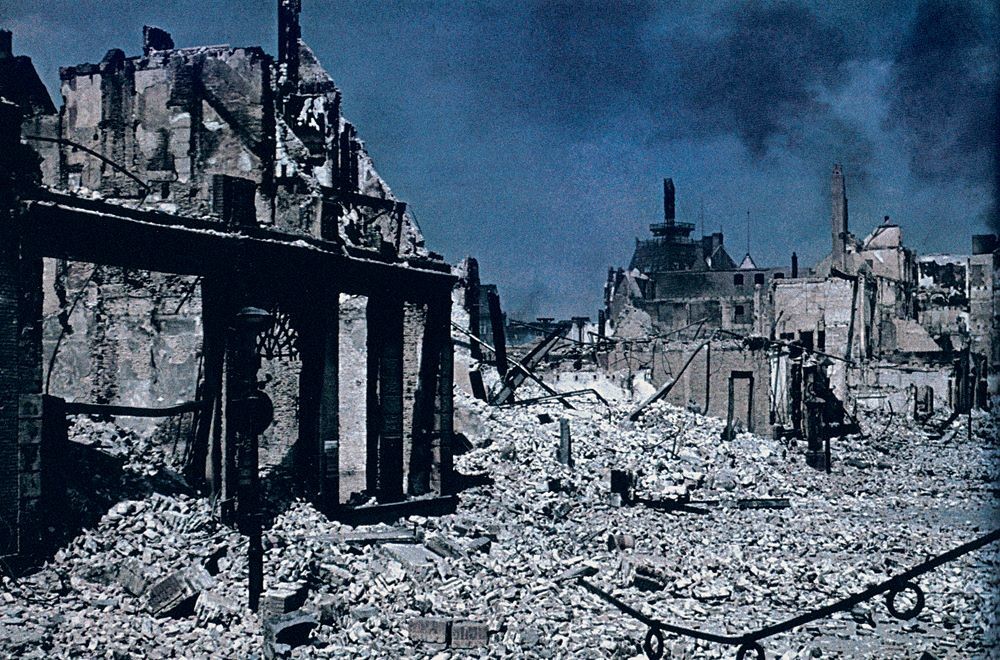
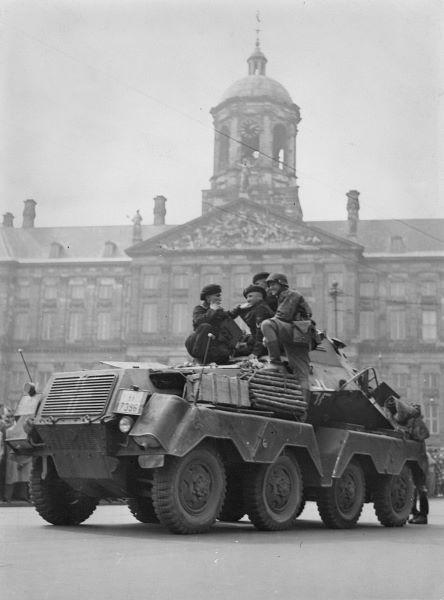
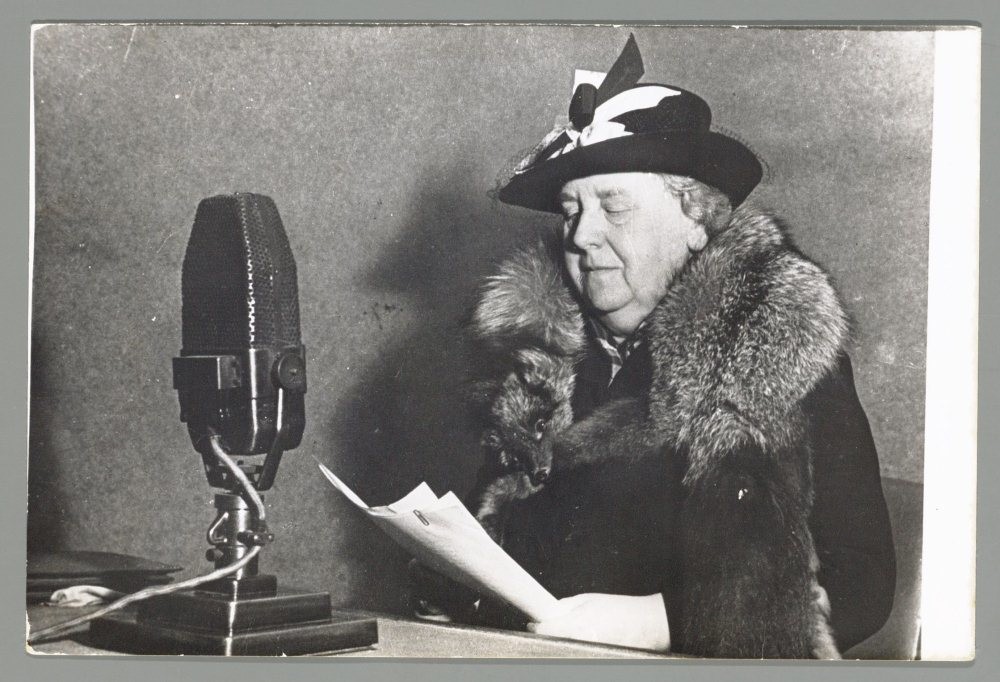
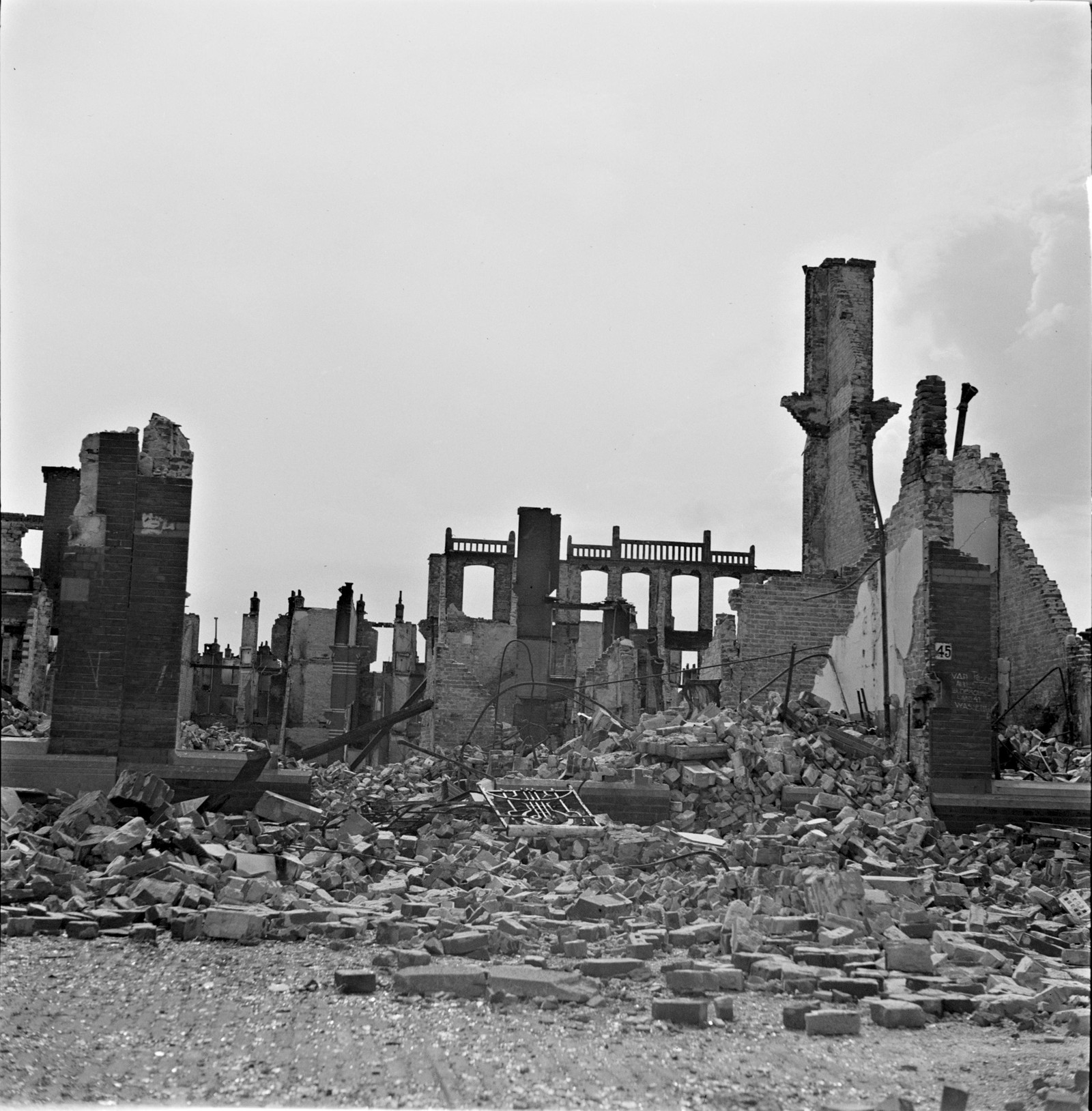
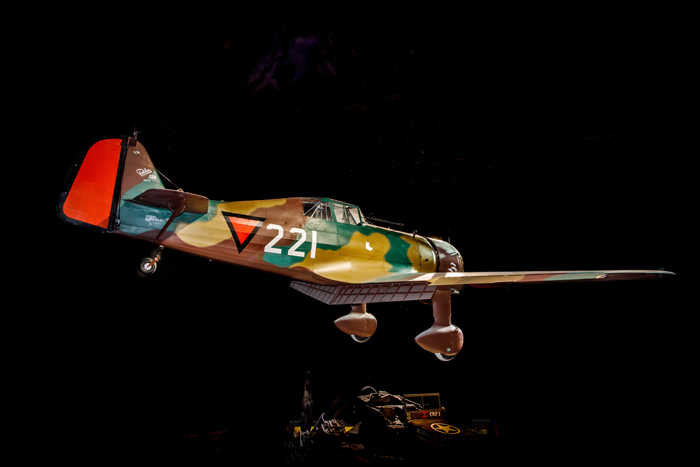
Op vrijdagochtend 10 mei 1940 trekken Duitse soldaten de Nederlandse grens over. Het Nederlandse leger is niet opgewassen tegen de Duitse oorlogsmachine. Nadat de Duitsers het centrum van Rotterdam hebben gebombardeerd, besluit de Nederlandse legerleiding zich over te geven. De regering inclusief de koningin is dan al naar Engeland vertrokken.
Bezetting
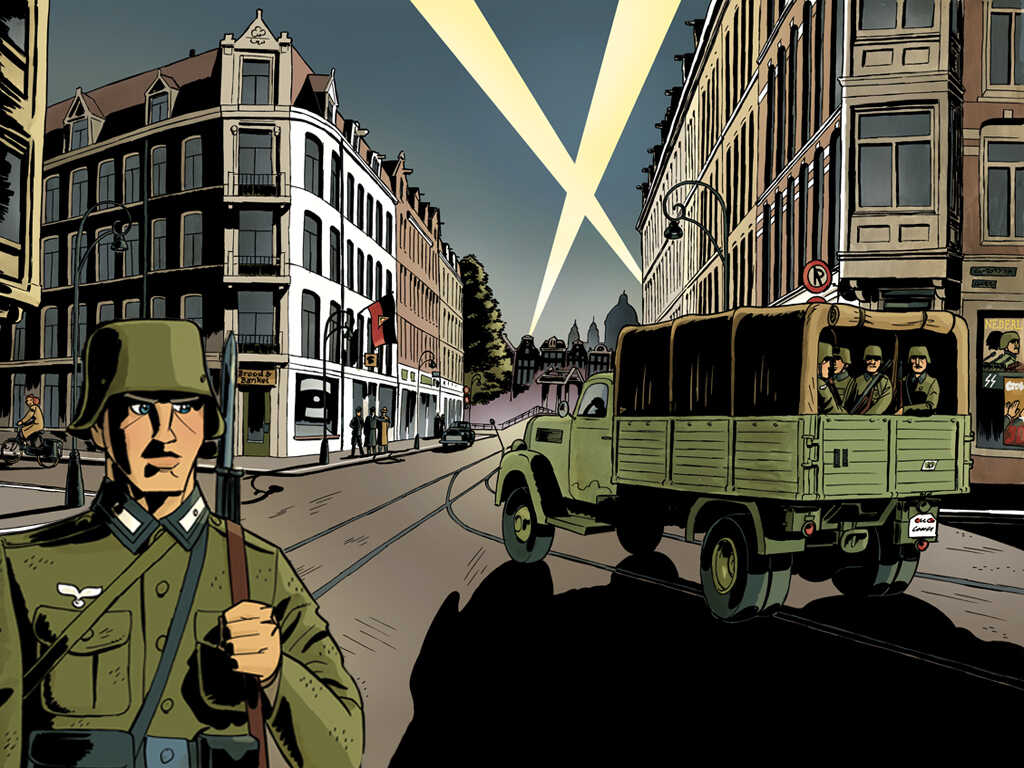
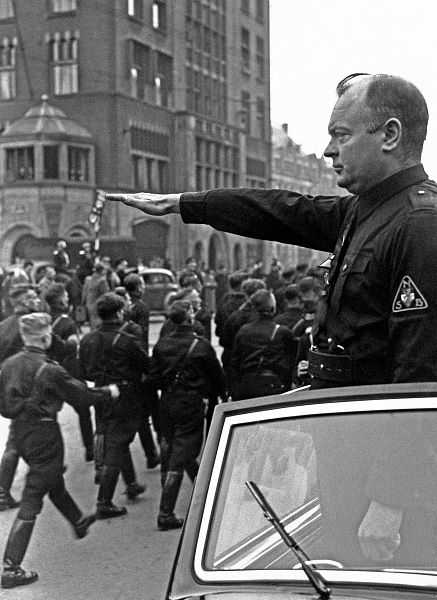
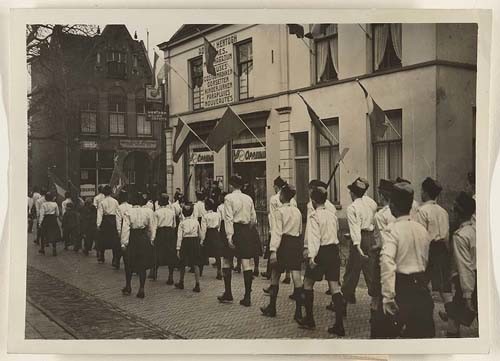
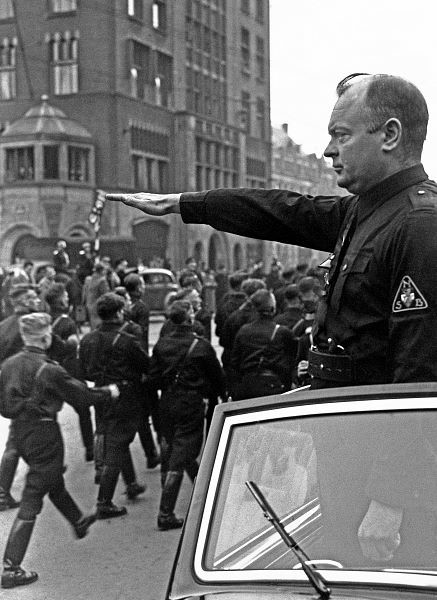
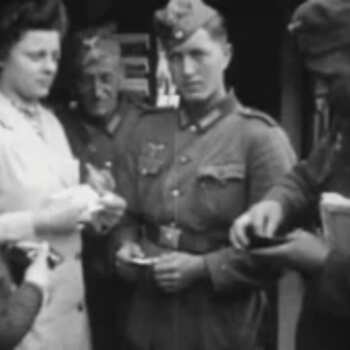
Het bezette Nederland wordt eerst bestuurd door het Duitse leger, maar dat verandert snel in een burgerlijk bestuur. Hitler doet dit met een reden: de Nederlanders zijn voor hem een ‘Germaans broedervolk’ en moeten voor het nationaalsocialisme worden gewonnen. Dat kan volgens hem het beste door het bestuur zo veel mogelijk aan de Nederlanders te laten, met een bovenlaag van Duitse functionarissen. De Duitsers worden bijgestaan door leden van de Nationaal-Socialistische Beweging (NSB), een Nederlandse partij met vergelijkbare ideeën als de Duitse NSDAP, en door meelopers en profiteurs.
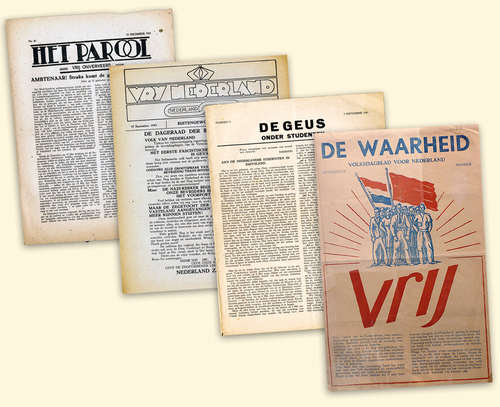
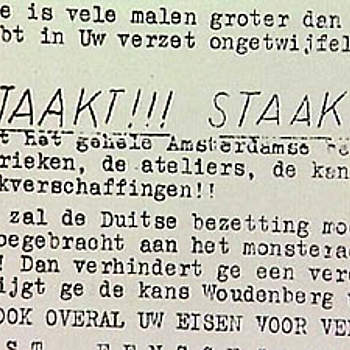
Wanneer Hitler in 1941 de aanval inzet op de Sovjet-Unie, sluiten zo’n twintigduizend Nederlandse mannen zich aan bij het Duitse leger. Maar er zijn ook mensen die zich aansluiten bij het verzet. Zij hebben eigen kranten die ze in het geheim verspreiden. Ook worden aanslagen uitgevoerd op bezetters en collaborateurs. De aanhang van het verzet groeit tegen het einde van de oorlog. Het grootste deel van de Nederlandse bevolking is echter passief anti-Duits en past zich aan de omstandigheden aan.
Vervolging
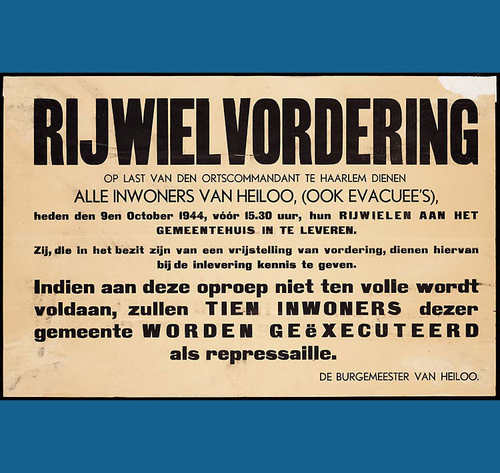
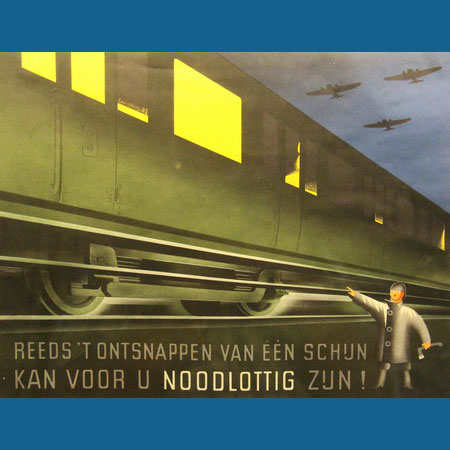
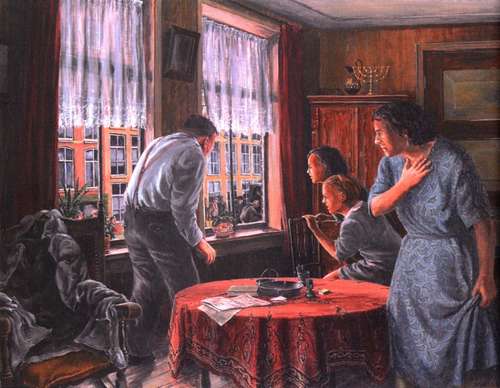
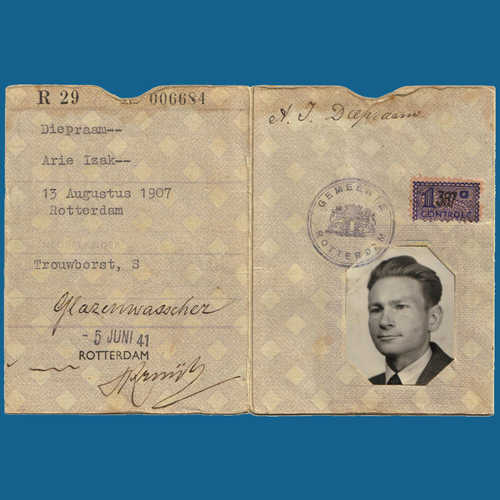
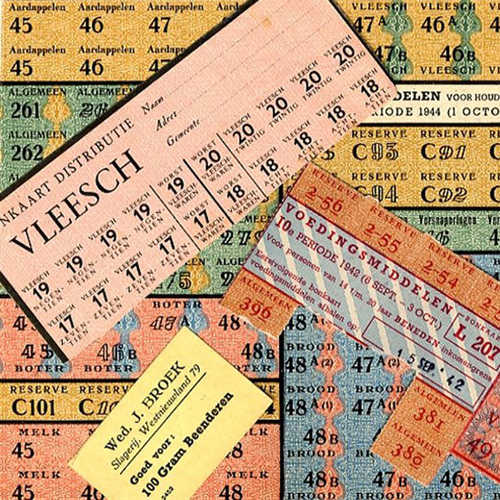
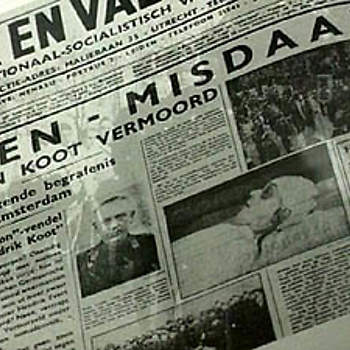
Aanvankelijk lijkt de bezetting mee te vallen, maar al snel wordt duidelijk wat onvrijheid betekent. Op de eerste verzetsdaden reageren de bezetters met zware straffen. Nederlandse mannen worden gedwongen in Duitse fabrieken te werken. Mensen worden zonder vorm van proces opgesloten in gevangenissen en concentratiekampen. Vooral voor de Nederlandse Joden wordt het leven steeds moeilijker door het groeiende aantal anti-Joodse maatregelen. Vanaf 1942 deporteert de Duitse bezetter meer dan honderdduizend Joodse mannen, vrouwen en kinderen vanuit Nederland in goederentreinen naar concentratiekampen. De overgrote meerderheid wordt vermoord. Onder het schrikbewind van de nazi’s worden naar schatting in totaal zes miljoen Joden en honderdduizenden Sinti en Roma, gehandicapten, homoseksuelen en Jehova’s getuigen omgebracht.
Hongerwinter en bevrijding
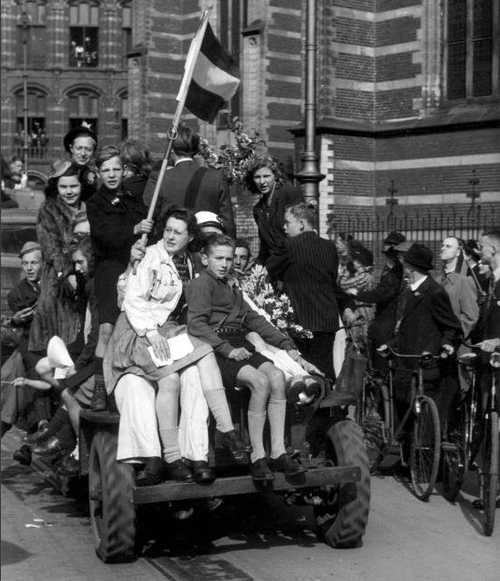
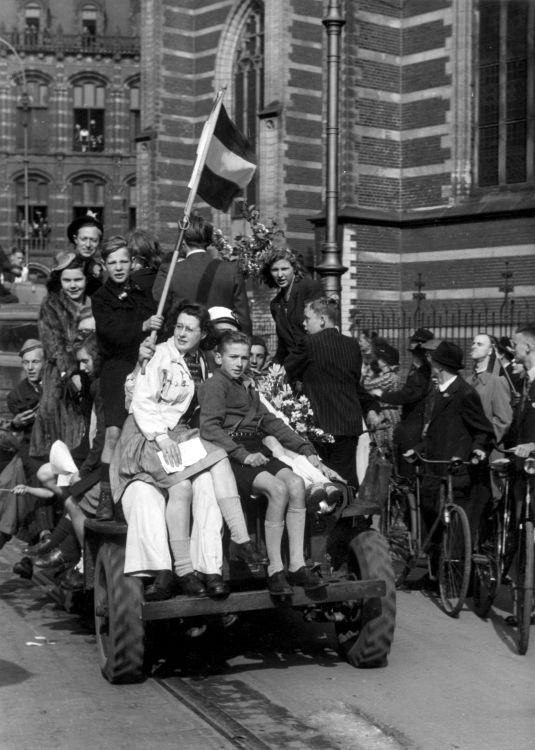
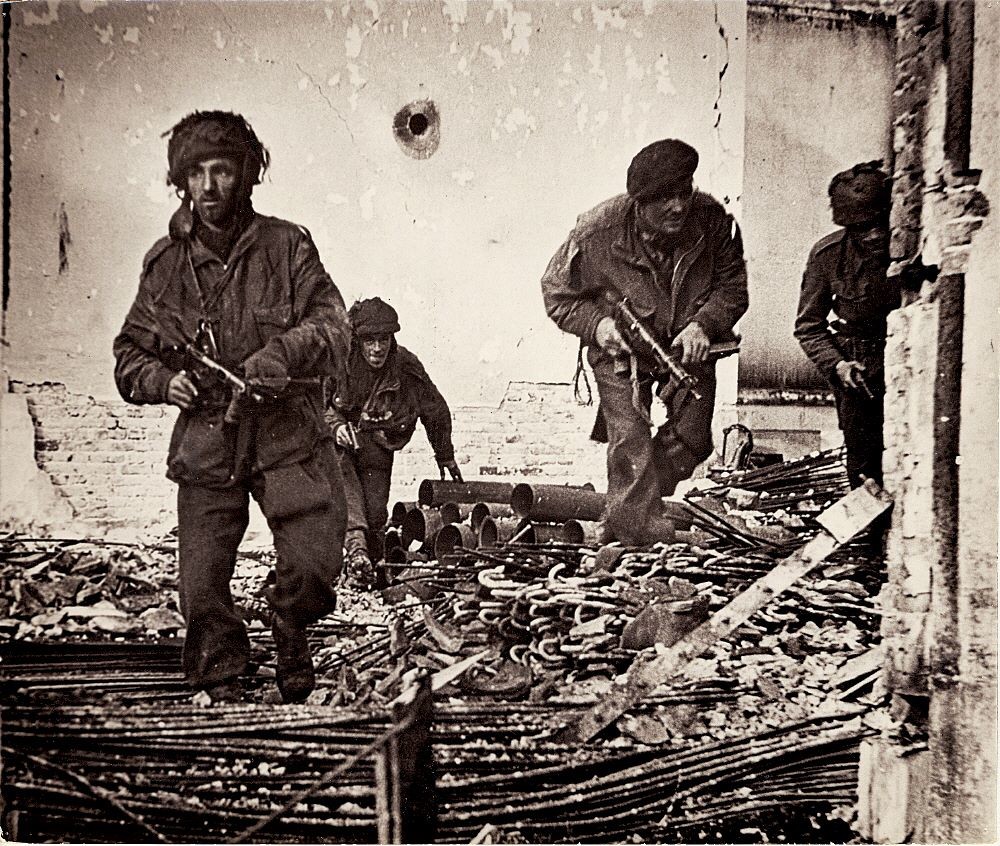
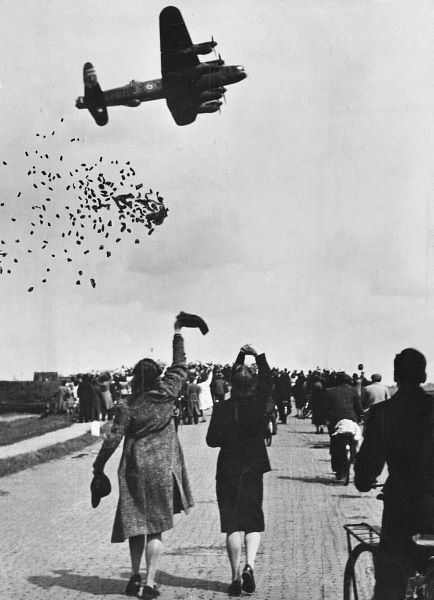
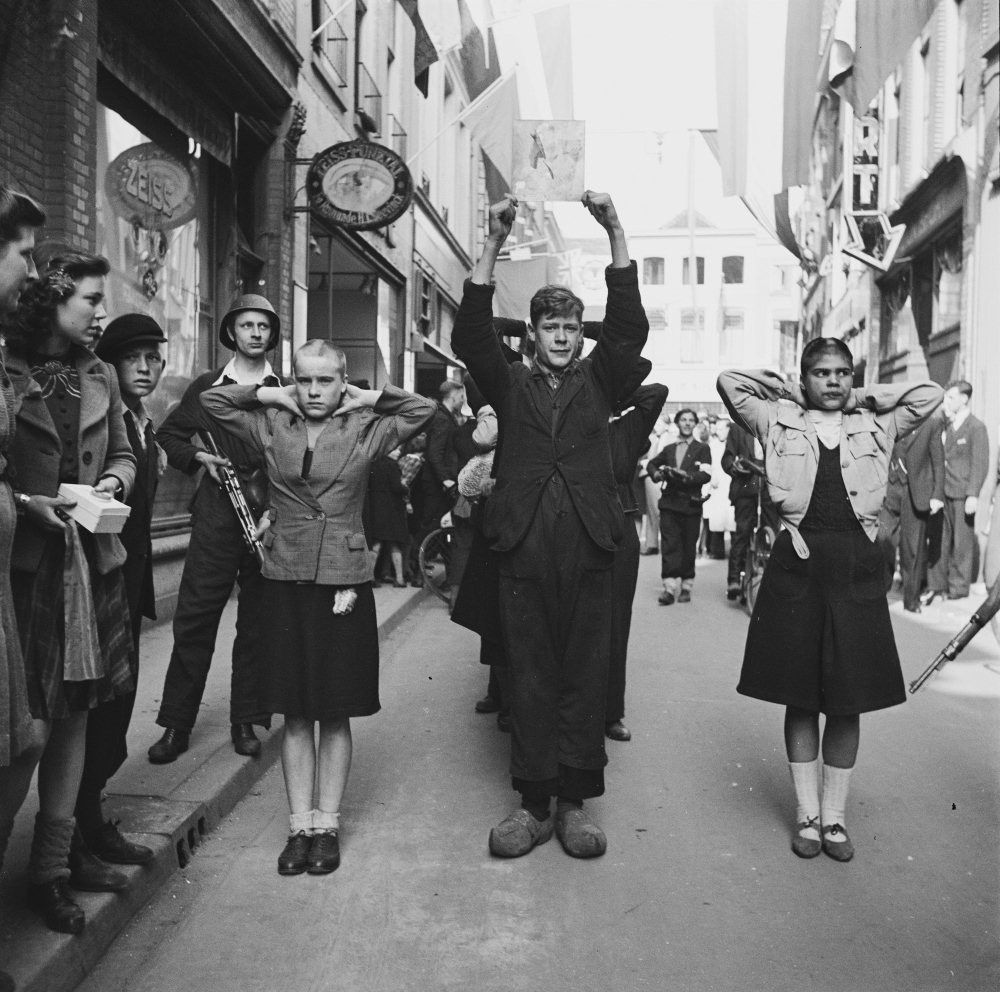
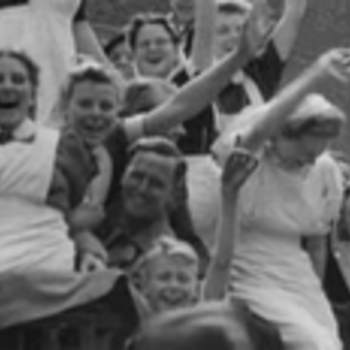
In het najaar van 1944 wordt het zuiden van Nederland bevrijd door geallieerde troepen. Pas in het voorjaar van 1945 begint ook de bevrijding van het gebied boven de grote rivieren. In de tussenliggende maanden krijgen met name de steden in de westelijke provincies nog te maken met de Hongerwinter. Door voedselgebrek komen naar schatting zeker twintigduizend mensen om. Op 5 mei 1945 geeft het Duitse leger zich over en is Nederland bevrijd. Nederlands-Indië is dan nog in handen van de Japanse bezettingsmacht. Na de atoombomaanvallen op Hiroshima en Nagasaki capituleert Japan op 15 augustus 1945.
Herinneren
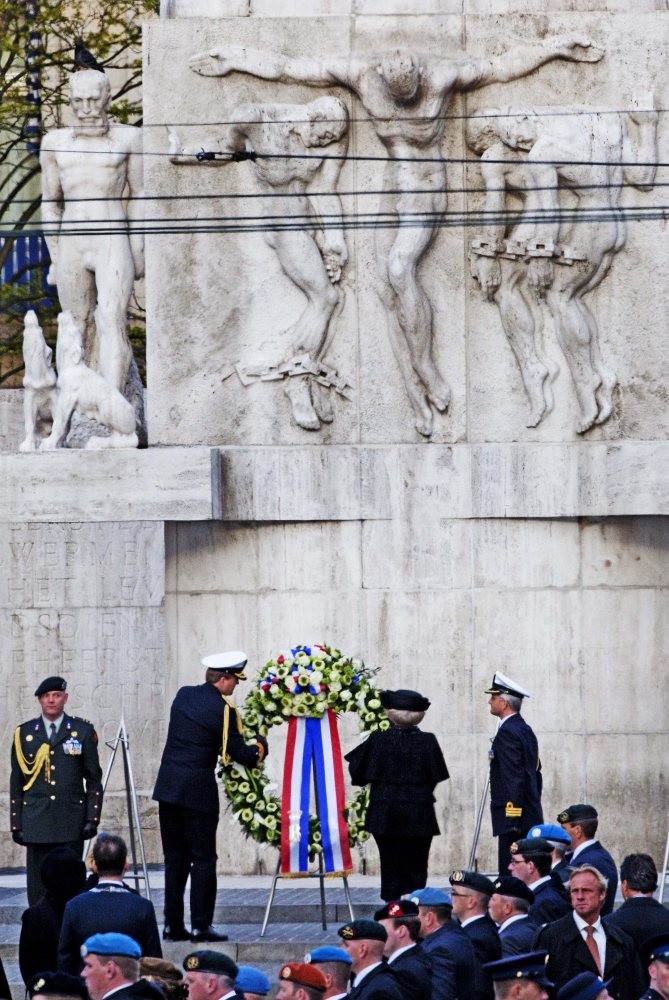
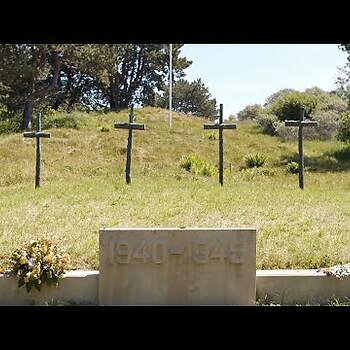
Herinneringen aan deze traumatische oorlog blijven de Nederlandse samenleving sterk beïnvloeden. Jaarlijks worden op 4 mei de oorlogsslachtoffers herdacht en wordt op 5 mei de vrijheid gevierd.